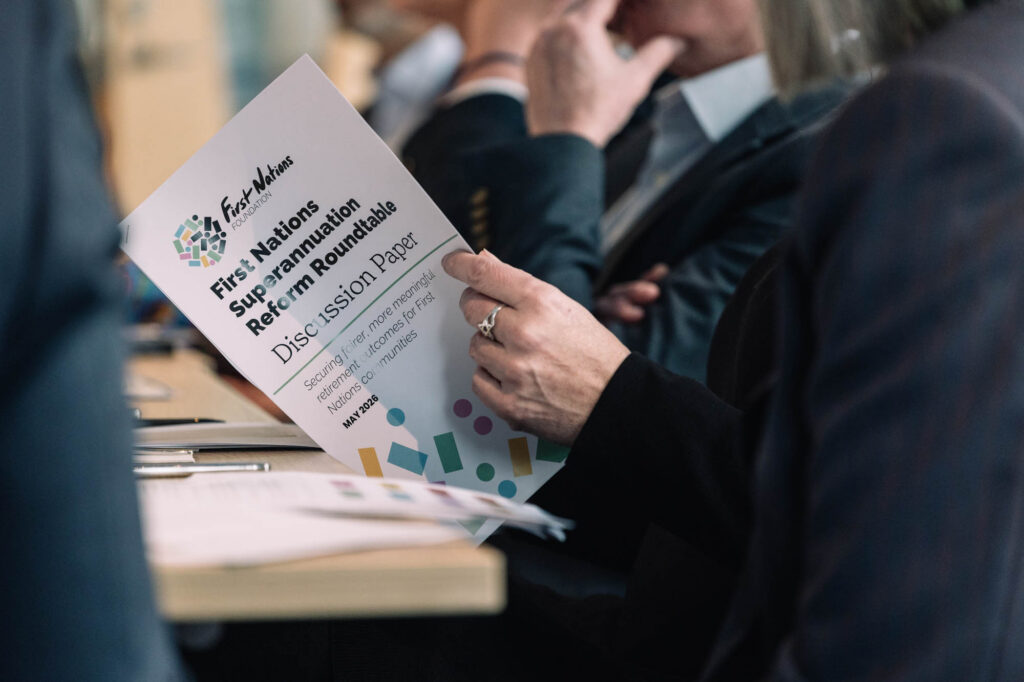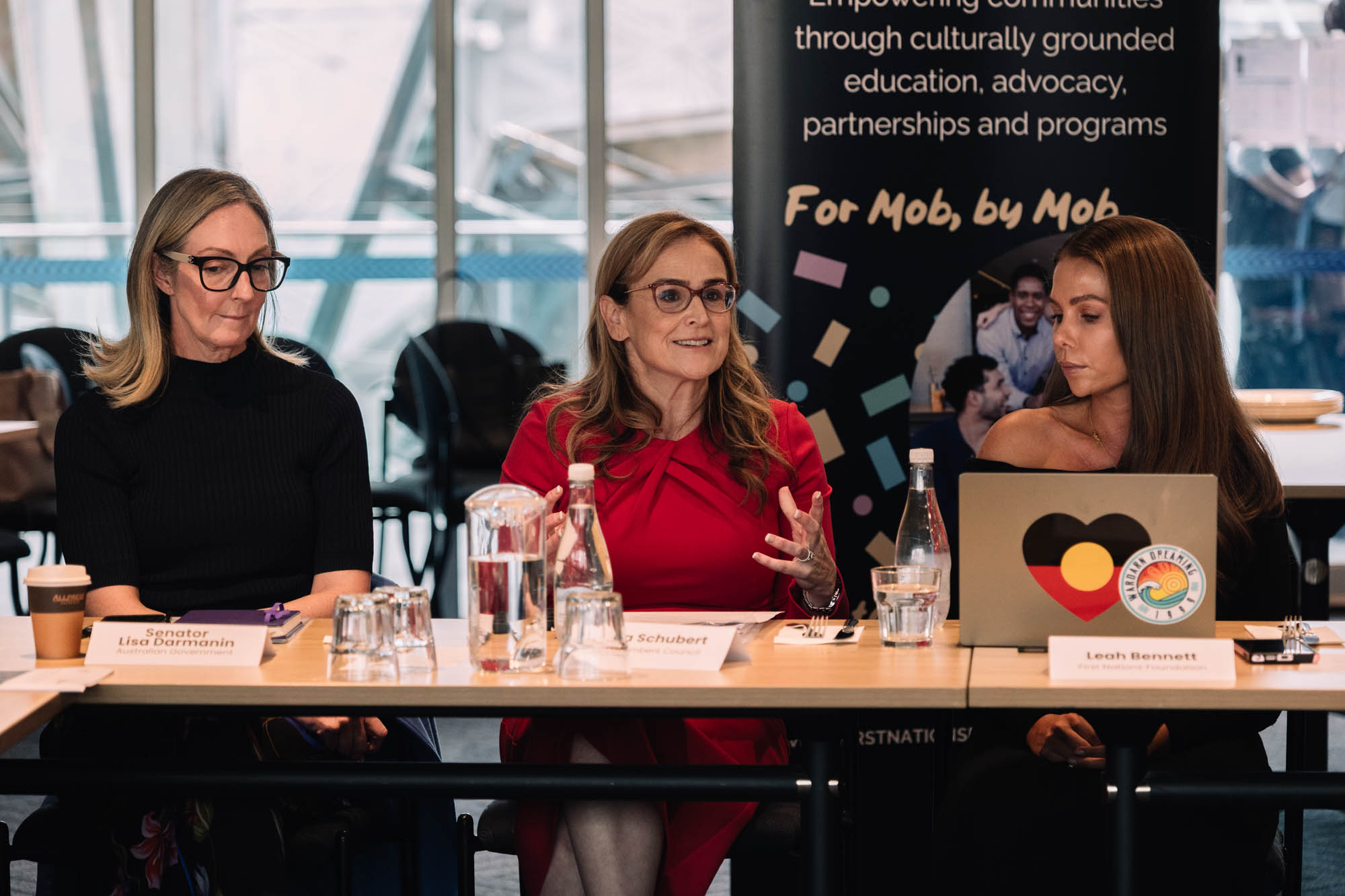
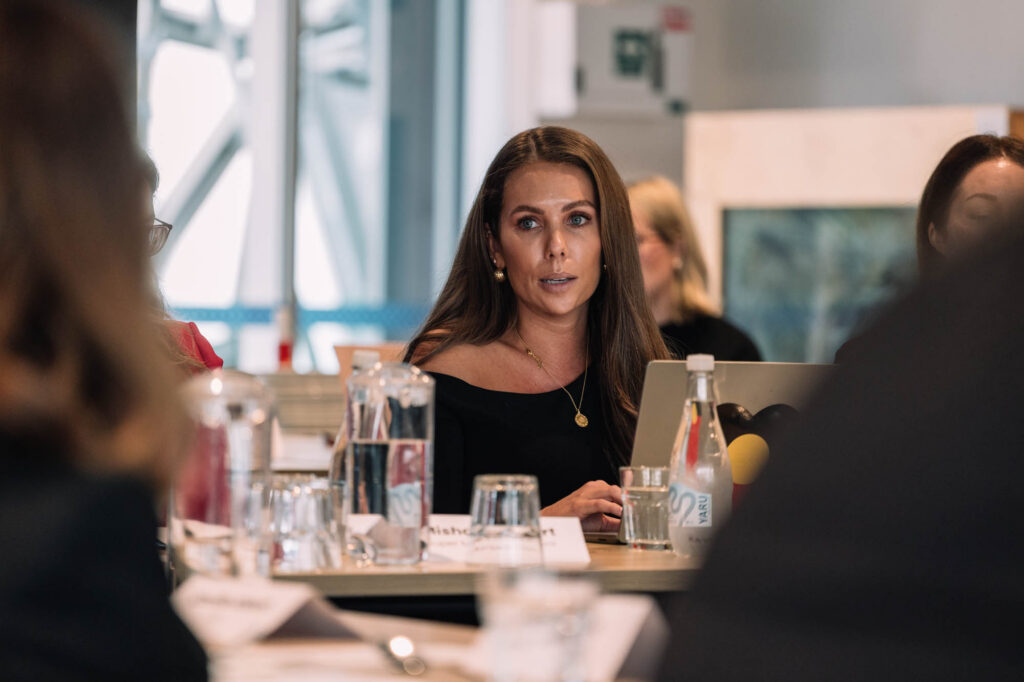
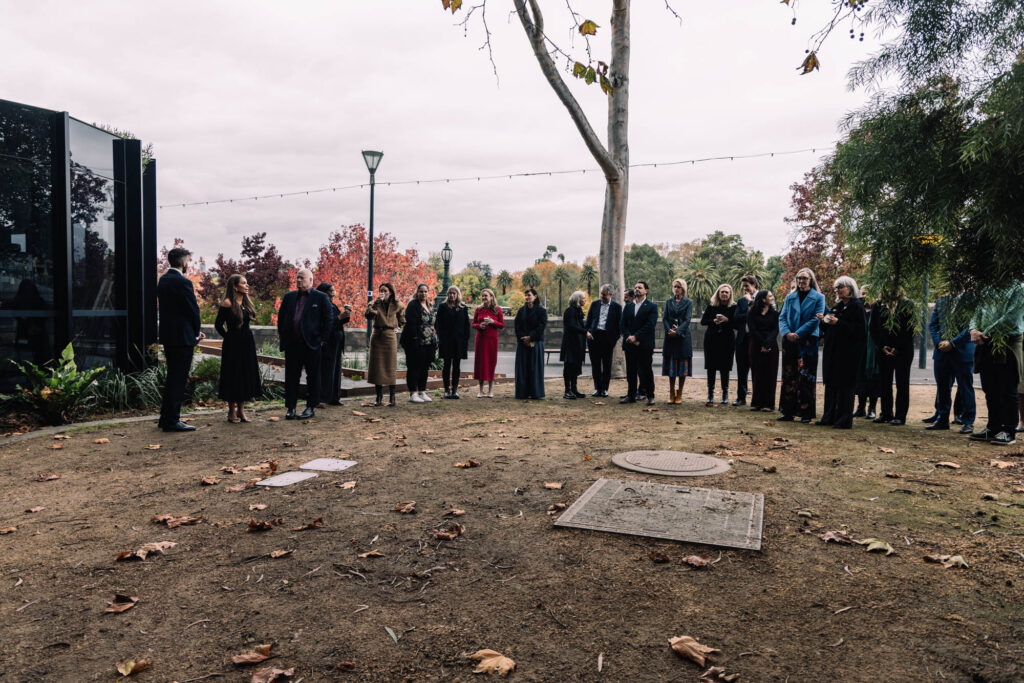
Last week, leaders from across the superannuation sector came together for a First Nations Super Roundtable — a focused, solutions-oriented discussion on how we move from understanding the challenges to delivering genuine, system-wide change. This roundtable was hosted and facilitated by First Nations Foundation, whose mission is empowering financial prosperity for First Nations people.
The path toward dignified retirement
Co-hosted with partners across the sector, the conversation reflected a shared commitment: ensuring the super system works fairly and effectively for First Nations members — not just in principle, but in everyday experience.
Opening the session, Leah Bennett, CEO of First Nations Foundation, set a clear tone rooted in driving solutions.
She highlighted that while it’s clear that the challenges facing First Nations members are well understood, what’s needed now is consistent implementation of solutions to address these challenges.
This framing resonated strongly across the room. Leah noted that while First Nations people have only had around 50 years of full participation in the Australian economy, the barriers that remain today are not about capability or ambition. They are structural, operational and trust-related.
Critically, the idea of a “financial capability gap” was challenged. As Leah outlined, this is better understood as a disruption to intergenerational knowledge transfer — shaped by exclusion from the systems that build and protect wealth.
Superannuation, in this context, plays a pivotal role. For many First Nations people, it represents the first real opportunity to build intergenerational wealth and a pathway to a dignified retirement.
A call for leadership and urgency
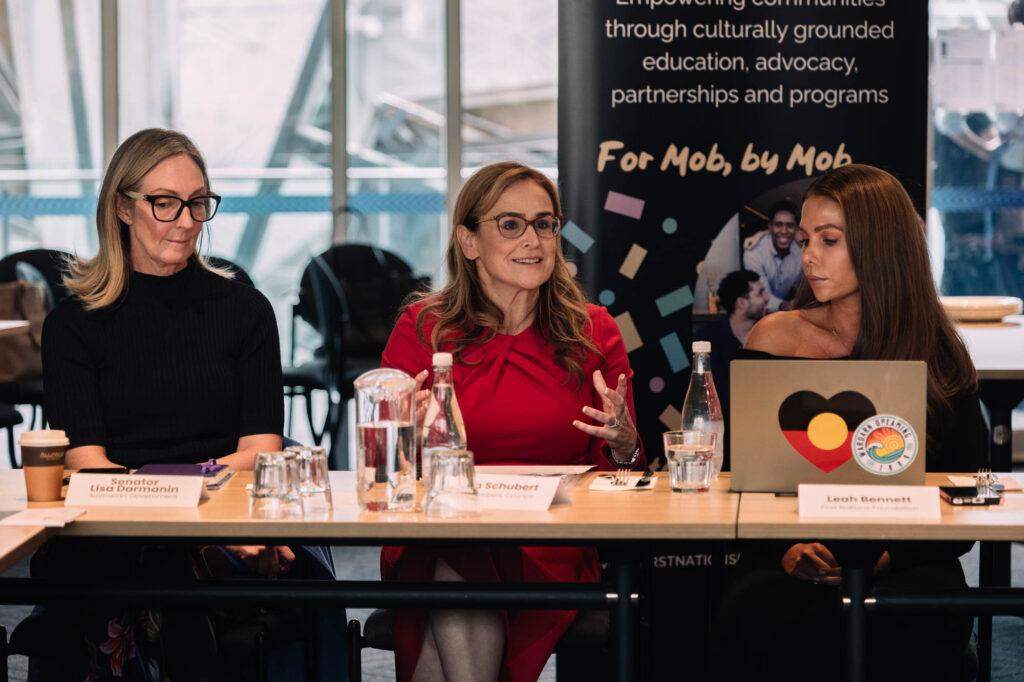
At the event, SMC CEO Misha Schubert reinforced the need to move decisively into the next phase — from understanding the issues to delivering system-wide uplift.
The current state is characterized by:
- First Nations members often start from lower financial positions
- Member experiences need improvement, particularly when members are in distress or in vulnerable circumstances
Addressing this requires more than incremental change. It demands leadership and action to deliver tangible improvements.
“Success would be leaving today with a greater shared understanding of barriers, confidence in regulatory alignment, and clear steps and commitments.”
Misha Schubert
Importantly, Misha emphasised that the goal is not isolated examples of good practice — it is consistency across the system. Every member should receive a baseline experience defined by accessibility, fairness and dignity, regardless of which fund they belong to.

The role of trust and partnership
Across all discussions, one theme stood out: trust.
Improving superannuation for First Nations members is not just about processes and policies. It also depends on strong, sustained relationships with community organisations, financial counsellors and employers.
These partnerships help bridge the gap between formal systems and individual members — and are critical to improving access, confidence and engagement, particularly for those who may otherwise struggle to engage.
They take time to build, but they are fundamental to improving access, trust and ultimately — advancing superannuation for members.
What happens next
The roundtable reinforced a clear and shared conclusion.
The sector understands the challenges. It has developed many of the right tools to address them. The opportunity now is to ensure those solutions are consistently implemented, supported by leadership, aligned with risk frameworks, and embedded in day-to-day operations.
Ultimately, success will be measured not by the policies written, but by the experiences members have.
As Misha reflected, this is about collective stewardship of a system that should work for every Australian.
The task ahead is clear: move from pockets of good practice to a system that delivers fairness, dignity and opportunity for First Nations members — every time.